Draper Park fills up on Saturday, September 12, for the city's International Days festival, free admission, free parking, a kids' activity area, and the kind of low-key crowd that shows up because it's a nice way to spend a fall morning, not because anything is being sold to them. A week later, a very different crowd gathers at Andy Ballard Arena before sunrise for the Corner Canyon Half Marathon, 10K, and 5K. And a month after that, a smaller group puts on real clothes and buys a dinner ticket to Siempre for something called the Switchback Shindig.
Three dates on one town's calendar. What connects them is not obvious until you look at who is actually paying for the dirt under your feet on Ann's Trail or Rush on any given Tuesday evening.
The City Didn't Build Most of This Alone
Corner Canyon's trail system, the one locals ride, run, and walk without thinking much about who put it there, has never been purely a city parks project. A 2019 report by the Draper Journal said the Corner Canyon Trails Foundation had worked alongside Draper's parks department since 2012 to design, build, and maintain the network, and that it relied on donations and one annual event, not tax revenue.
The last time city staff put real numbers on that relationship, Draper's Parks and Trails Project Manager Brad Jensen said the foundation had funded over half of the 20 to 30 miles of new trail the city built in the preceding three years. At the foundation's own estimate around that time, new trail construction ran roughly $18,000 a mile. Do that math and the picture is clear: a nonprofit running one dinner a year covered a majority share of what it costs to keep expanding a system that residents treat as a given.
As the Draper Journal reported in 2019, a Draper resident who has attended the Shindig more than once said: "The trail systems are one of the best things about living in Draper and we are happy to support it any way we can." That sentiment is the entire business model. There is no ordinance requiring anyone to fund a mile of singletrack. People just decide it matters and write a check, one $55 ticket at a time.
A Race Bib Is Also a Kind of Vote
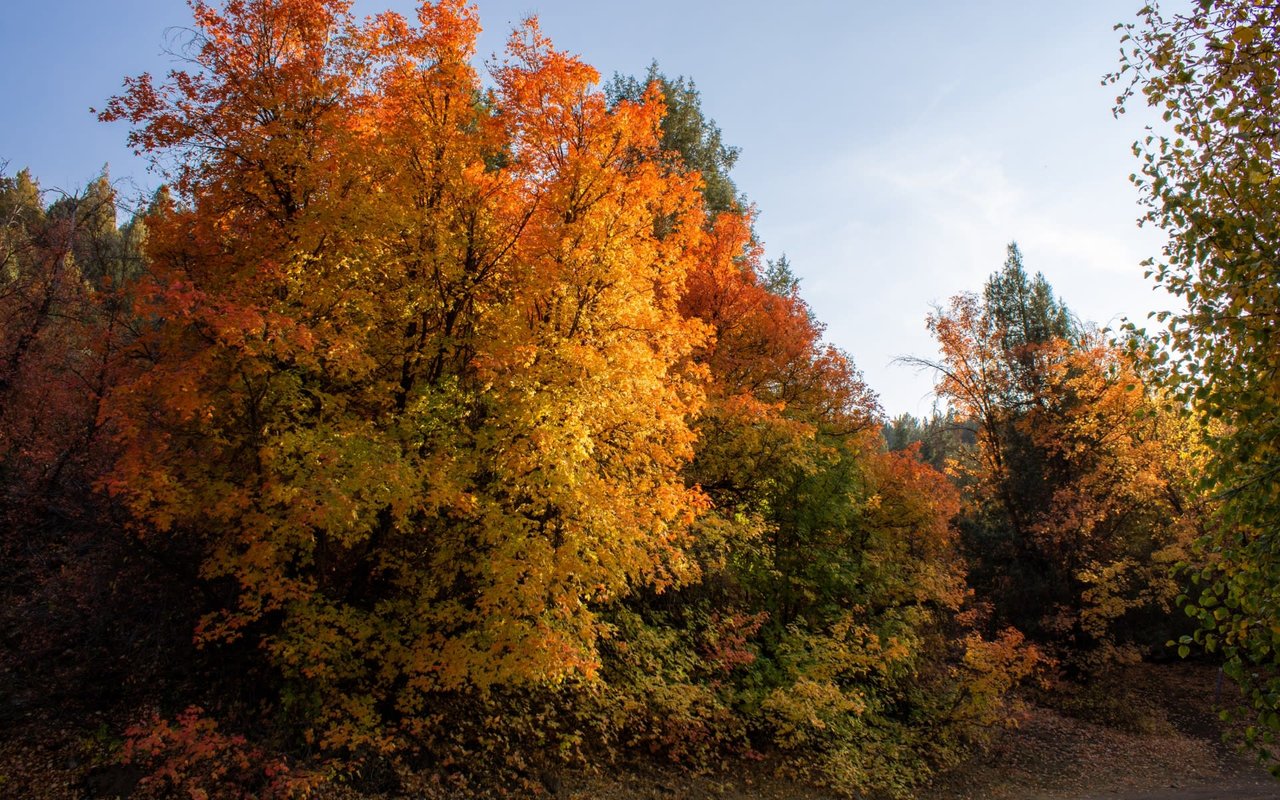
The Corner Canyon Half Marathon, 10K, and 5K, put on by Draper City itself, runs on Saturday, September 19. All three distances start and finish at Andy Ballard Arena, and the course is about 95 percent unpaved single and double track, which means this is not a road race wearing a costume. Runners cross the Bear Canyon Suspension Bridge, pass Ghost Falls and the old silica pit, and spend a few hours moving through fall color that most drivers never see from Highland Drive.
This is a city recreation event, not a Trails Foundation fundraiser, and that distinction matters. It represents the other half of how this system stays funded: municipal recreation programming that generates its own revenue and reinvests in the parks and rec side of trail upkeep. The same pattern shows up in the Corner Canyon Trail Series, a run of 5K and 10K races organized separately by Happy Trails Running that runs from May 1 through October 31 this year, with entry fees between $60 and $80 and an awards ceremony scheduled for November 14 at Treehouse Athletic Club. Every one of these events treats a race bib as a small, recurring subscription to the trail system's upkeep, whether the runner thinks about it that way or not.
The Same Ask, Wearing a Different Outfit
A few weeks after the half marathon, on October 18, the Corner Canyon Trails Foundation holds its Switchback Shindig at Siempre. Tickets are $55 in advance, $60 at the door. Where the half marathon generates revenue through athletic participation, the Shindig generates it through dinner, and the audience skews toward people who may never run the course but ride the trails on weekends and want them to keep expanding.
This is the foundation's one major fundraiser of the year, and it is worth understanding as the direct counterpart to everything Draper City does through recreation programming. One side of the funding is public and event-driven. The other is private, philanthropic, and dependent entirely on whether enough people in town decide a dinner ticket is worth it. Both feed the same 90-plus mile network, just through completely different transactions.
What's Actually Rideable This Month
None of this matters if the trails themselves aren't in shape, so here is where things stand heading into fall. Lower Corner Canyon, including the Access trail and the doubletrack up from the Equestrian Center, rides year-round and holds up even in wet weather better than the singletrack options. Higher up, Ann's Trail, Clark's, Canyon Hollow, and Jacob's Ladder are all in their prime season now through November, with Jacob's Ladder in particular rewarding riders with four miles of nearly 2,000 vertical feet and views stretching across both the Salt Lake and Utah valleys.
The Draper Bike Park, tucked just south of the Equestrian Center, adds two miles of cyclocross-style singletrack, a pump track, a skills area, and downhill flow trails, and it stays open March through November for anyone who wants a shorter, more technical session than the full canyon offers. If you want a rundown of what's rideable before you head out, the Corner Canyon Trails Foundation keeps a running list.
Where to Land Afterward
Siempre, the host site for October's Shindig, sits in the middle of a Draper dining scene that has quietly built its own local identity over the past several years. Cultivate Craft Kitchen, run by Draper residents Wendy and Jason Lewis alongside Matt and Nikki MacKay, grew out of their earlier restaurant, The Cliff Dining Pub, and built its menu specifically around Draper's farming history, with chef Lindy Whitley, a Murray High graduate who trained in culinary arts at Idaho State University, leading the kitchen.
A few minutes away, Sauce Boss Southern Kitchen fills a gap most of Utah doesn't bother with: real Southern cooking. Chef and owner Julius Thompson started the business as a food truck before opening the brick-and-mortar location in Draper in 2019, and it remains one of the only places in the valley leaning fully into that style of food.
Neither restaurant needs a race or a gala to justify a visit, but both make sense as the natural next stop after a Saturday morning on the trails or a night supporting the foundation that helped build them.
The Bigger Picture
None of this changes what any of these events cost or how a resident should spend a Saturday. What it does change is how you think about a trail system you might use without ever wondering who paid for it. Draper's version of that answer includes municipal recreation programming, a half marathon entry fee, a $55 dinner ticket, and a decade of volunteers deciding the canyon was worth funding alongside the city.
If you're already living near Corner Canyon and thinking about what else the neighborhood has going for it, or if you know someone weighing a move into this part of the valley, the team at Bybee + Co Realty knows Draper's neighborhoods, price points, and the small details that make a place feel like home well beyond the trailhead. Contact us when you're ready to talk.